Recycle Management – Early Road Building
Ballast removal and TPO overlay
Project Overview
This building on Early Road in Harrisonburg is owned by Recycle Management and is home to Sugarite. It sits in a commercial and industrial area of the city and shares a wall with the building next to it.
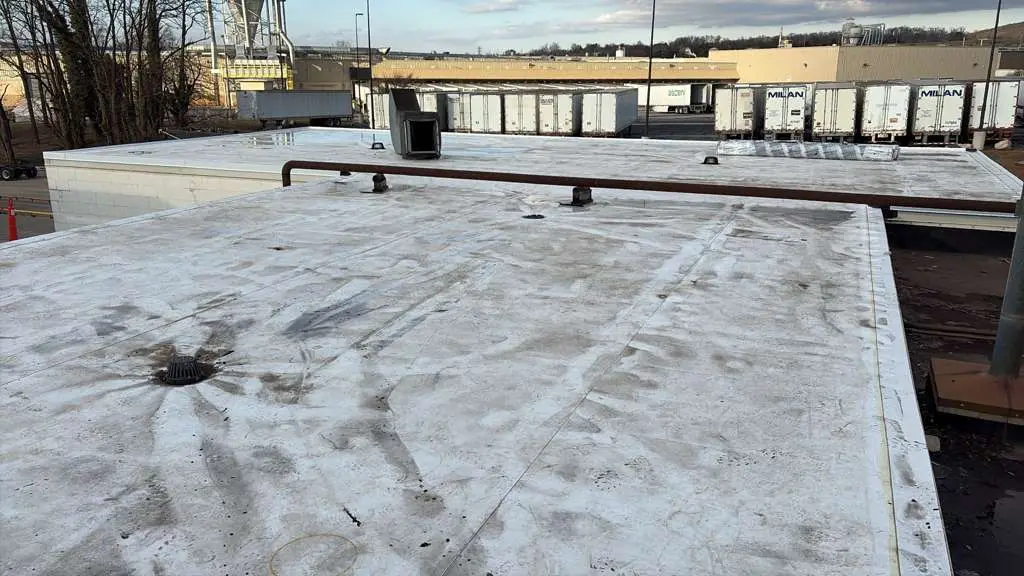
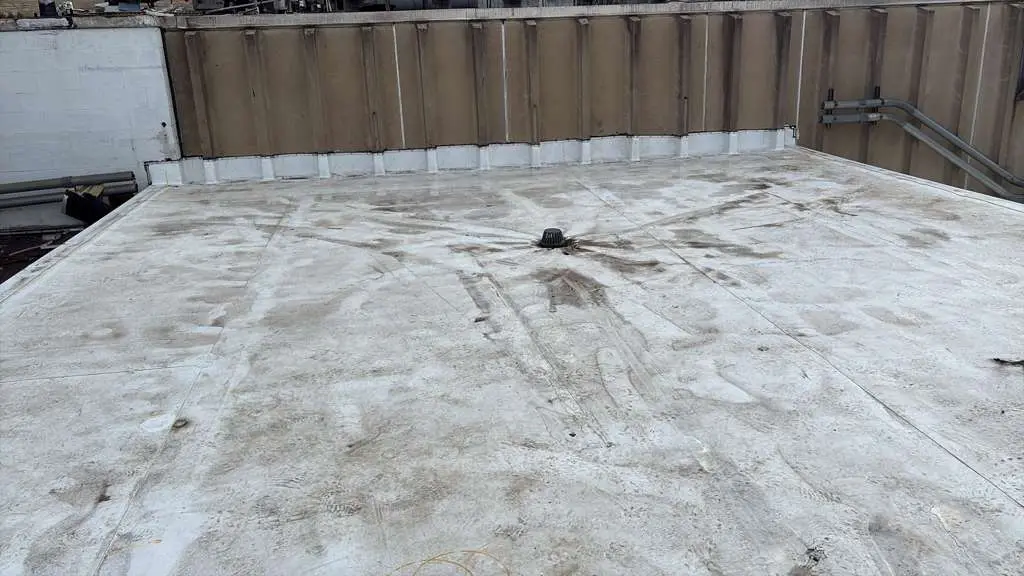
The roof was a very old ballasted rubber roof, and it had a lot of leaks. The owner needed a roof that would stop the leaks and hold up, and the new roof had to tie properly into the adjoining building.
Job Photos
 Before
 Before
 Before
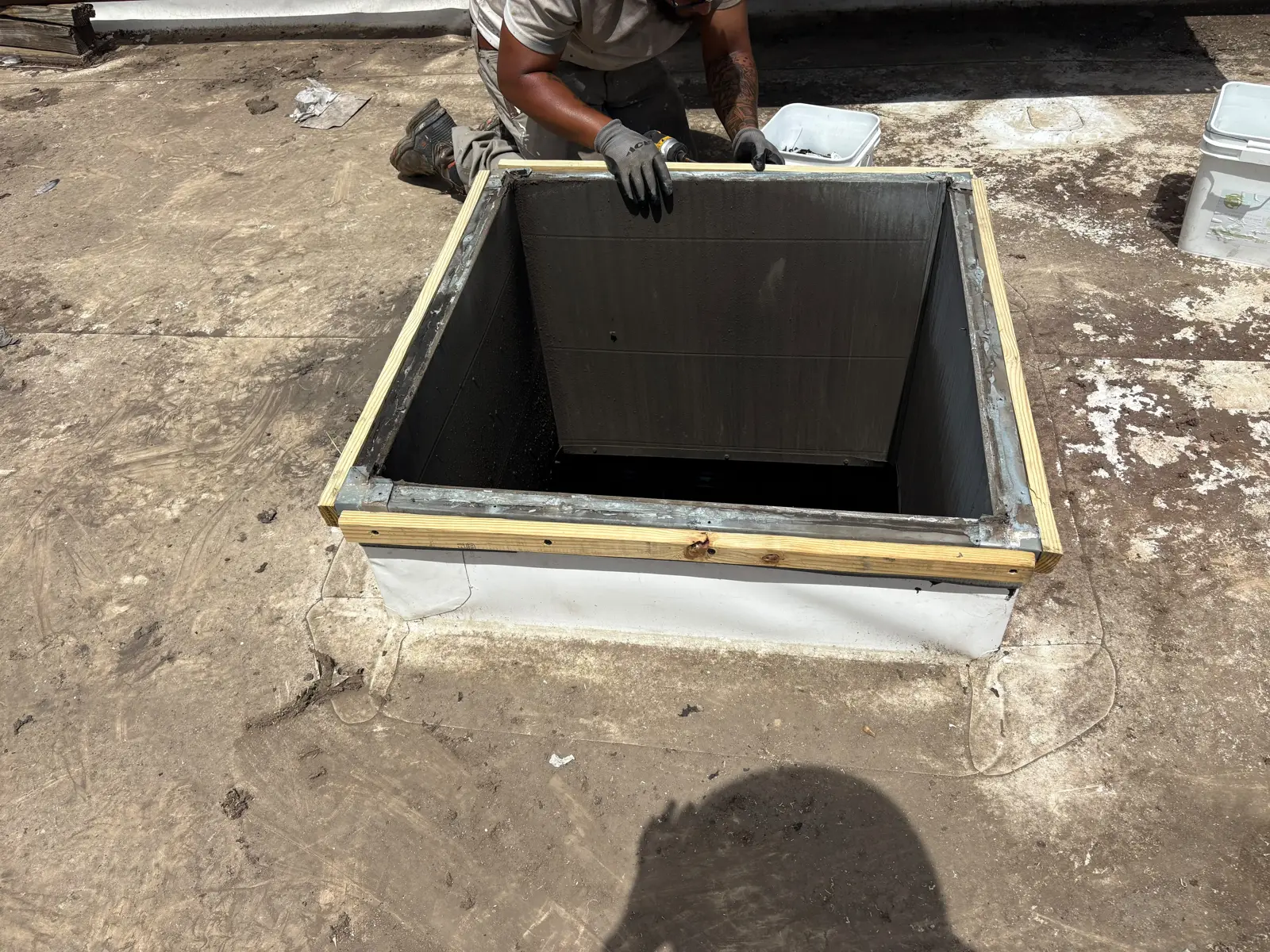 During
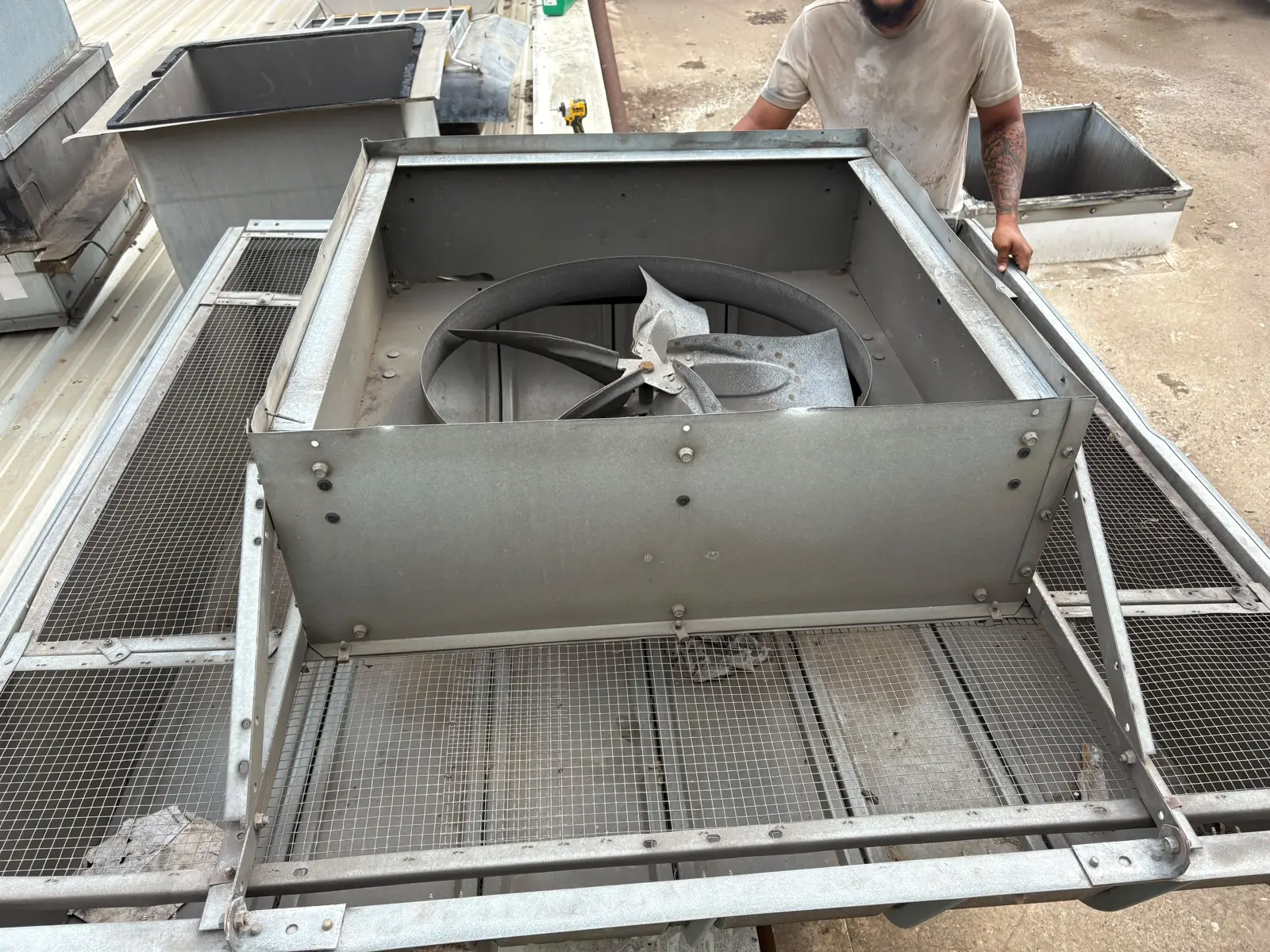 During
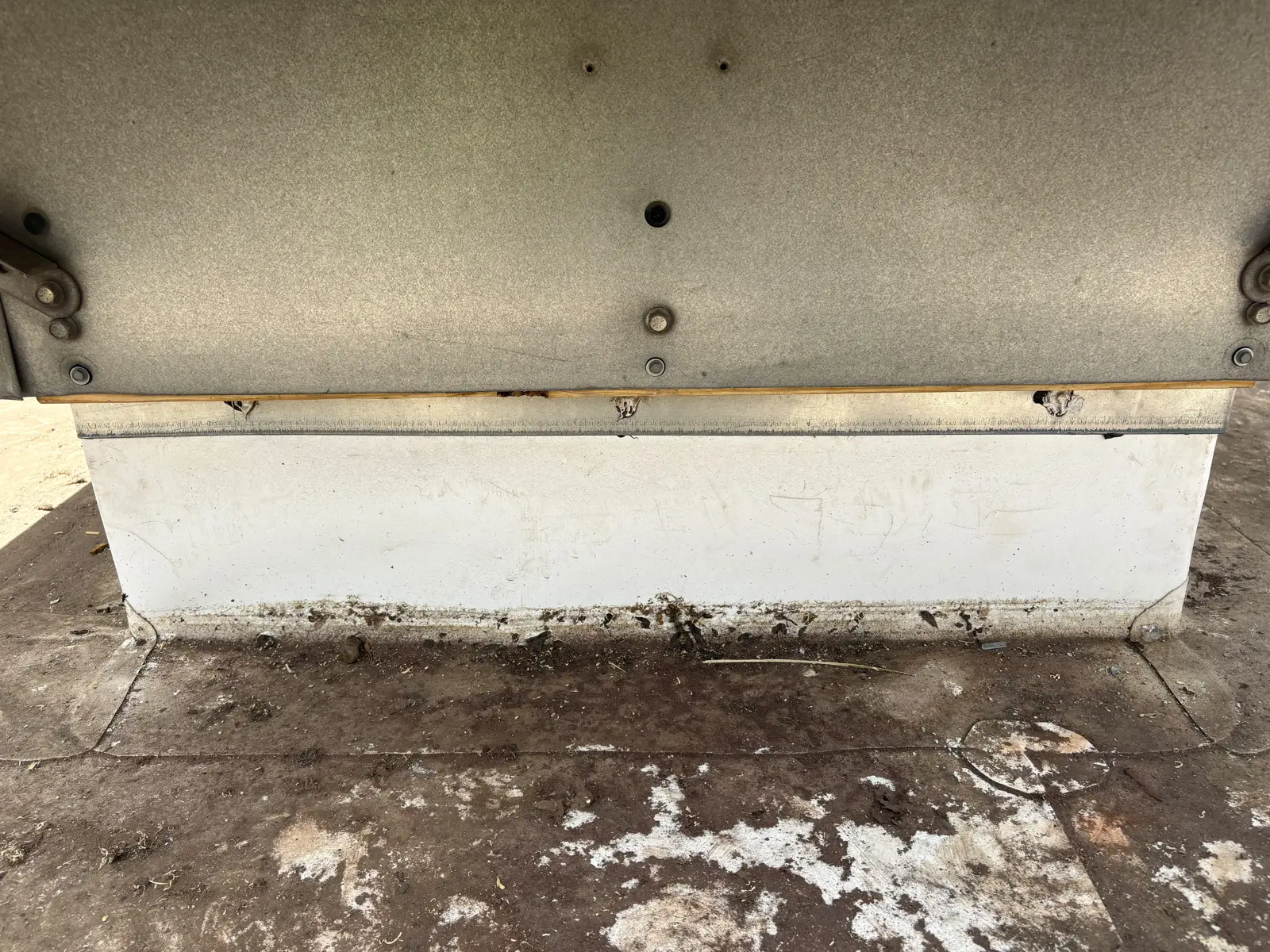 Finished
The Challenge
Ballasted rubber roofs are held down by a layer of loose gravel. When they get old and start leaking, the gravel makes it hard to find and fix the problems, because the membrane is buried. On this building the leaks had multiplied to the point that spot repairs were not a realistic answer.
The tricky part was where this roof meets the adjoining building's precast concrete wall. The new roof had to terminate against that wall cleanly and stay watertight, which took a lot of specialized welding and flashing work rather than a standard edge detail.
Our Solution
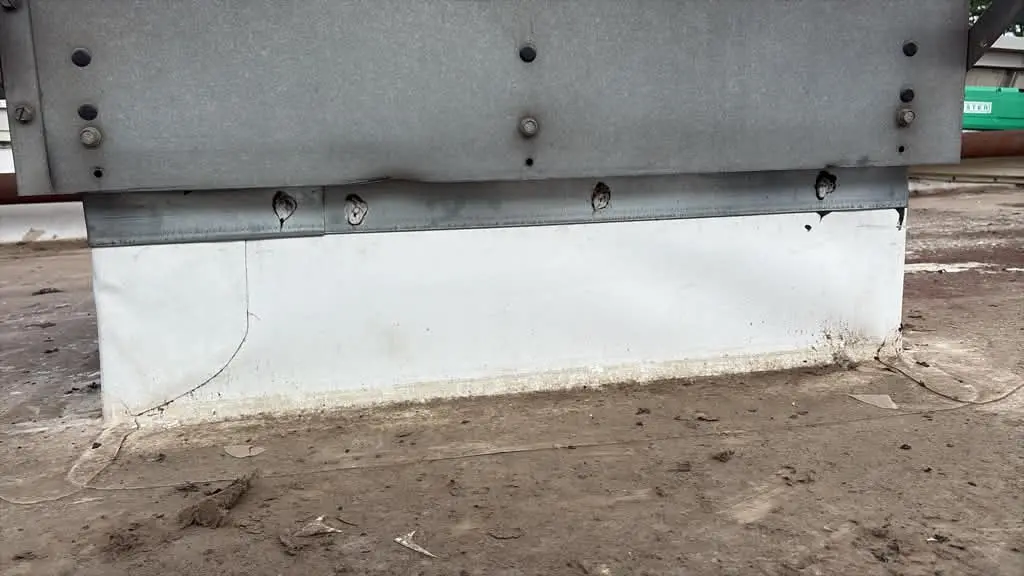
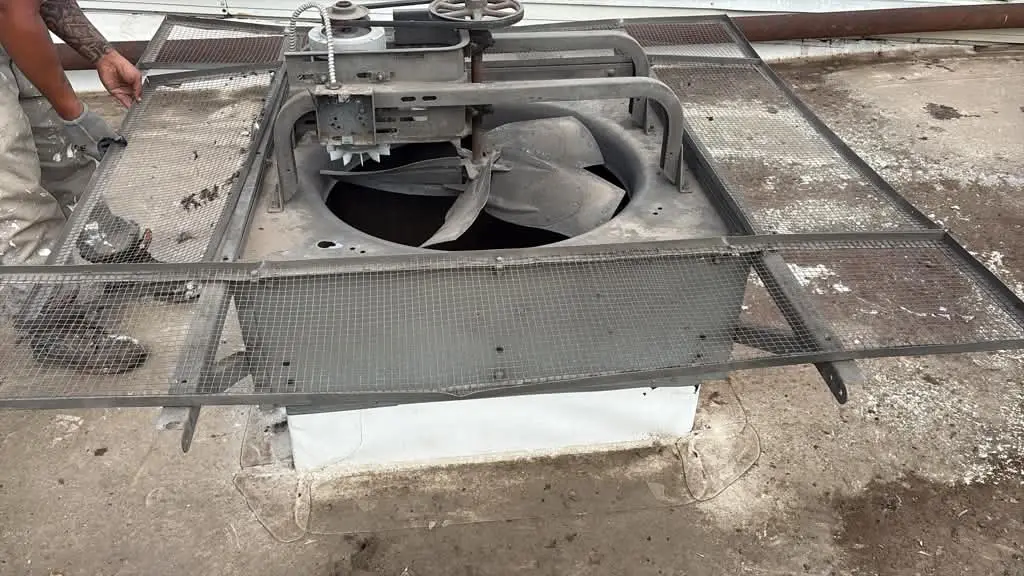
We removed the gravel ballast and overlaid the roof with TPO. At the adjoining precast wall we built the termination with custom welded TPO flashing so the new roof is sealed against the wall. Later, we came back and reinstalled a rooftop exhaust fan, flashing its curb into the TPO.
- 1We removed the gravel ballast from the old rubber roof.
- 2We installed a TPO overlay across the roof.
- 3We terminated the new roof against the adjoining building's precast concrete wall with specialized welding and flashing.
- 4On a later visit, we reset a rooftop exhaust fan on its curb and flashed the curb with TPO.
Why This Approach
Once the ballast is off, an old rubber roof can often be overlaid instead of torn off, which saves the cost and disruption of removing the old membrane. TPO is a good fit for that kind of overlay because its seams are heat-welded, so laps and flashings are fused into one sheet rather than relying on adhesive or tape. That matters most at details like wall terminations and curbs, where custom-cut pieces have to be welded in place. A white TPO surface also replaces the gravel, so the roof is easier to walk, inspect and maintain.
Results
- Gravel ballast removed from the old rubber roof
- New TPO overlay installed over the building
- Custom welded flashing where the roof meets the adjoining precast wall
- Rooftop exhaust fan reinstalled with its curb flashed into the new roof
Common Questions
What is a ballasted roof?
A ballasted roof is a single-ply membrane, often EPDM rubber, that is laid loose and held down by the weight of river rock or gravel instead of fasteners or adhesive. It is inexpensive to install, but the gravel hides the membrane, which makes leaks hard to locate and repair as the roof ages.
Can you put a TPO roof over an old rubber roof?
Often, yes. If the deck is sound and local code allows another layer, the ballast can be removed and a TPO system installed over the old membrane. A roofer should check for trapped moisture first, because wet insulation under the old roof needs to be removed rather than covered.
How is a new roof tied into a neighboring building's wall?
The membrane is turned up the wall and terminated with flashing, a termination bar and sealant, and often a metal counterflashing above it. With TPO, the wall flashing is heat-welded to the field membrane so the transition is one continuous piece.
Need a Similar Solution?
Contact us today for a free inspection and consultation on your commercial roofing project.